

Sustainable roofing discussions are most useful when they address the building’s actual requirements. Compare material choices, maintenance, waste handling and energy measures with the client’s priorities and project constraints. The following practices turn that discussion into a clearer scope of work.
-
Evaluate Roofing Materials and Assemblies
Compare materials using the manufacturer’s product and environmental documentation, with attention to the complete roof assembly. Match the material to the building, service conditions and maintenance plan. For reflective products, the EPA explains how cool roofs reduce absorbed solar heat; assess the energy effect for the building’s climate and use.
-
Assess Green and Vegetative Roof Systems
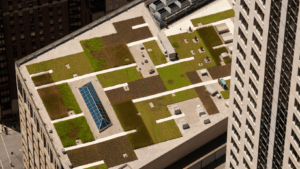 Vegetated roofs can help manage stormwater and add planted space to a project. Explore their suitability with the design team, including structural capacity, waterproofing, drainage and ongoing maintenance. The Philadelphia Water Department’s design guidance illustrates these considerations. Build the proposal around the project’s requirements, costs and any locally available incentives.
-
Plan Maintenance Around Roof Condition
A sustainable roof-care plan can focus on maintaining an existing roof where its condition supports continued service. Use inspections to identify appropriate repairs or re-coating in line with applicable manufacturer guidance. Explain the proposed work, its limitations and the condition findings that support the recommendation.
-
Plan Material Recovery and Waste Handling
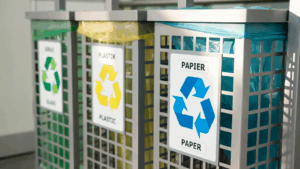 Identify which removed materials local recovery providers will accept before planning the job. Separate accepted materials where practical, plan how other waste will be handled and record the destinations used. Discuss packaging and delivery arrangements with suppliers as part of that plan.
-
Educate Clients on Energy-Saving Solutions
Explain what each measure contributes to the building’s energy plan. Photovoltaics generate electricity, reflective roofs reduce absorbed solar heat, and insulation limits heat transfer through the assembly. The DOE’s solar explanation describes electricity generation. Use the building’s climate, heating and cooling needs, installation costs and expected energy use to present a project-specific savings assessment.
-
Document Project Scope and Outcomes
 Build a project case study around the client’s requirements, the selected assembly and the work completed. Report measured outcomes with their scope and assumptions, and distinguish those results from estimates. Include relevant maintenance needs and qualifications the business actually holds so the client has a useful record of the recommendation.
Make each sustainability recommendation specific to the building: explain the proposed work, the evidence behind it and the maintenance needed to support it.